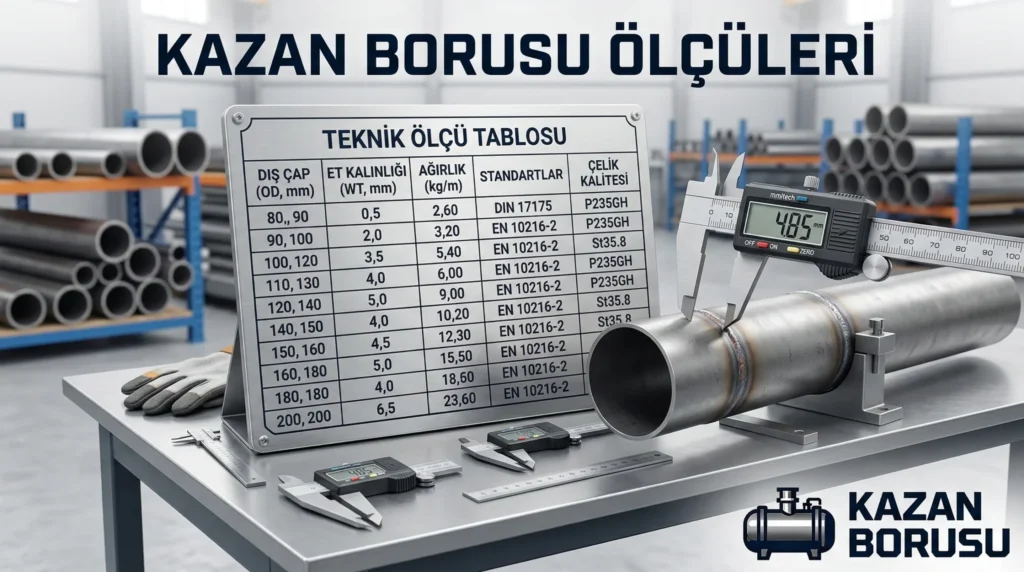
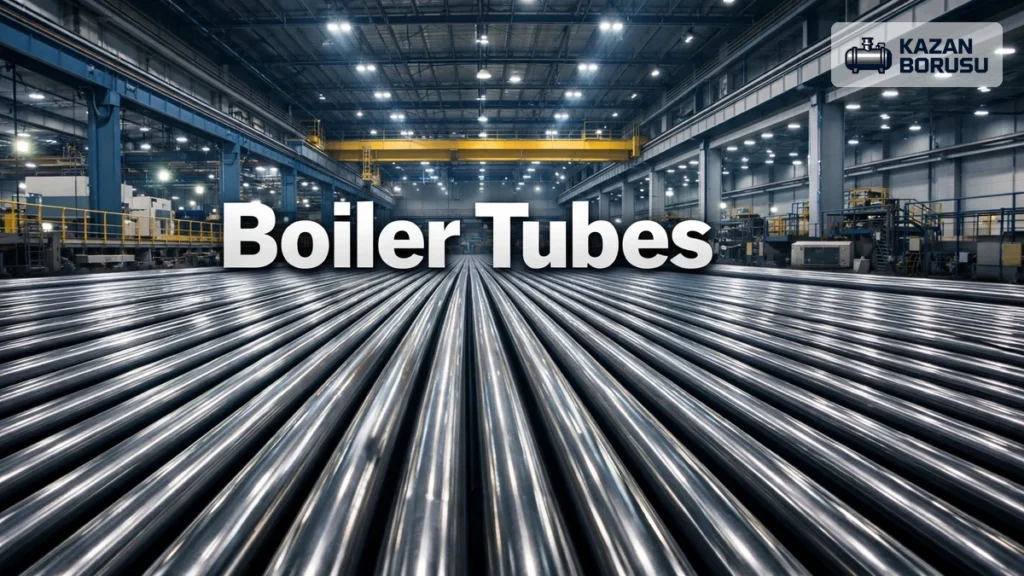
Boiler Tubes are high-pressure components specifically engineered to facilitate the transfer of heat from a combustion source to a fluid, typically water, to generate steam or hot water. These critical industrial parts must withstand extreme temperatures and internal pressures without deforming or failing. In modern industrial settings, the reliability of a heating system depends heavily on the grade and integrity of the tubes used within the boiler unit. High-quality seamless and welded options ensure maximum safety while optimizing thermal conductivity. Understanding the precise boiler tube dimensions is essential for proper installation and maintenance in large-scale energy production facilities. Kazan Borusu offers a comprehensive selection of these components, ensuring that every project meets the most stringent safety standards and operational requirements for long-term performance.
Product Information Table
| Feature | Material Grade | Pressure Rating | Primary Usage |
|---|---|---|---|
| High-Temp Resistance | ASTM A192 / ST35.8 | Up to 250 Bar | Power Plant Boilers |
| Corrosion Protection | Alloy Steel P11/P22 | Variable High | Petrochemical Refineries |
| Seamless Precision | Carbon Steel Grade B | Medium to High | Industrial Economizers |
| Welded Strength | ERW Low Carbon | Up to 100 Bar | Commercial Heating |
What Is Boiler Tubes?
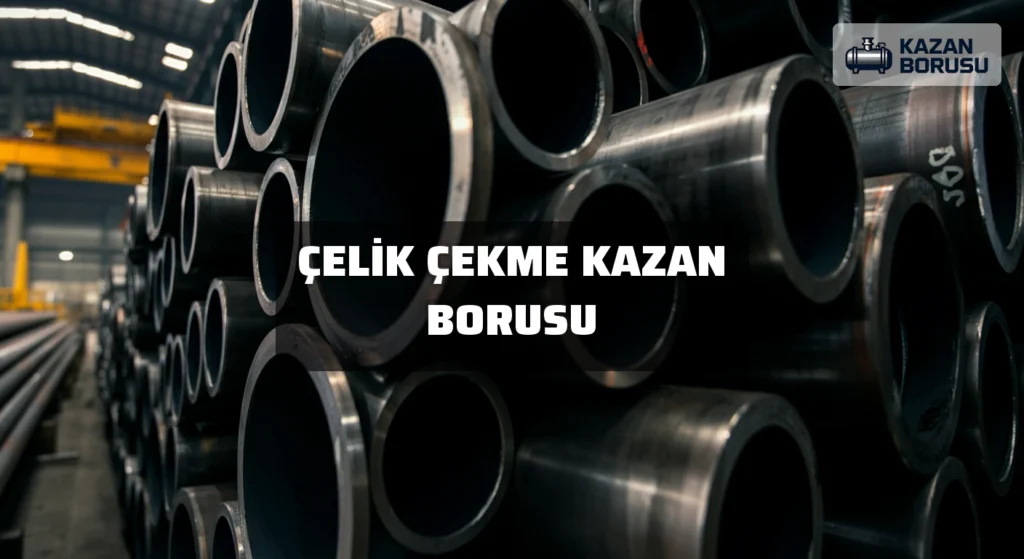
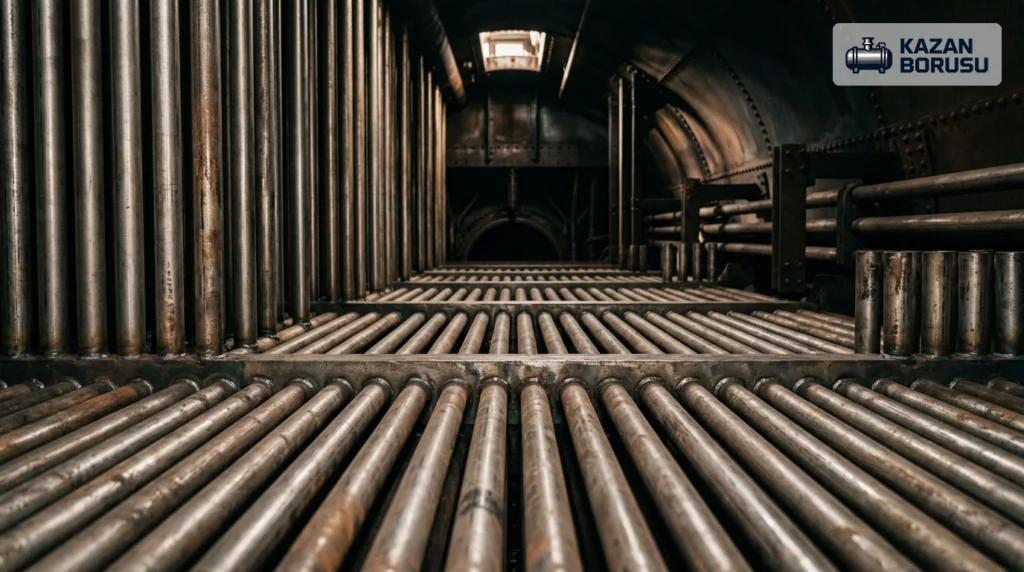
Boiler Tubes are metal tubes located inside a boiler that are used to heat water in order to produce steam. There are two main types: water-tube boilers and fire-tube boilers. In a water-tube boiler, water circulates inside the tubes and is heated externally by hot gases. Conversely, in a fire-tube boiler, hot gases pass through the tubes to heat the water surrounding them. Because these components are exposed to high thermal stress, they are typically manufactured from carbon steel or alloy steel to prevent oxidation and cracking. They serve as the primary heat exchange surface within a boiler system, making them indispensable for energy conversion.
Features Of Boiler Tubes
The technical specifications of these tubes are defined by their ability to handle intense internal pressure and corrosive environments. Most premium tubes are cold-drawn or hot-rolled to ensure a smooth surface finish and uniform wall thickness. This precision prevents local hotspots that could lead to tube bursts. Furthermore, the material composition often includes chromium and molybdenum to enhance creep strength and resistance to scaling at high temperatures. Consequently, these tubes maintain their structural integrity even during continuous operation in heavy industrial environments. The seamless manufacturing process is particularly favored for high-pressure applications where weld seams could represent potential points of failure.
Advantages Of Boiler Tubes
- Excellent thermal conductivity ensures that heat is transferred efficiently, reducing fuel consumption and operational costs.
- High resistance to corrosion and oxidation extends the lifespan of the heating unit, minimizing the need for frequent replacements.
- Superior mechanical strength allows the tubes to withstand significant internal pressures and thermal expansion cycles without deformation.
- Wide availability of various diameters and wall thicknesses allows for customized engineering solutions tailored to specific industrial requirements.
Where Is Boiler Tubes Used?
- Electric power generation plants where massive steam turbines require high-pressure steam generated by specialized tube arrays.
- Petrochemical and chemical processing facilities that utilize heat exchangers for refining and manufacturing various chemical compounds.
- Food and beverage production lines where steam is necessary for sterilization, cooking, and industrial-scale heating processes.
- Pulp and paper mills that rely on large boiler systems to provide the heat required for drying and processing raw materials.
How Does Boiler Tubes Work?
The working principle revolves around the laws of thermodynamics, specifically conduction and convection. In a standard setup, the fuel source undergoes combustion, creating high-temperature flue gases. As these gases come into contact with the surface of the tubes, the heat is conducted through the metal wall. Because the tubes are designed with high thermal diffusivity, the energy is quickly transferred to the water or steam flowing on the other side. Furthermore, the circulation speed of the fluid inside the system is carefully managed to prevent the metal from overheating. This continuous cycle of heat exchange allows for the generation of high-pressure steam, which can then be used to drive mechanical work or provide space heating.
Why Choose Us?
When it comes to sourcing industrial components, quality and reliability are non-negotiable. We pride ourselves on providing the highest quality products that exceed industry standards for safety and efficiency. Our expertise in the steel industry allows us to offer technical guidance, ensuring that you select the perfect material grade for your specific application. By focusing on durability and precision, we help our clients reduce downtime and maintenance expenses. Choosing Kazan Borusu means partnering with a supplier dedicated to excellence, timely delivery, and comprehensive customer support. We understand the complexities of high-pressure systems and provide products that you can trust under the most demanding conditions.
Get A Quote Now
Are you looking for reliable heating solutions for your next industrial project? Our team is ready to provide you with detailed technical specifications and competitive pricing for all your piping needs. Whether you require seamless tubes for high-pressure boilers or welded options for commercial heating, we have the stock and expertise to fulfill your requirements. Contact us today to receive a personalized quote and discover how our premium steel solutions can enhance the efficiency of your operations. Let us help you find the right heat exchanger components to ensure your system runs safely and effectively for years to come.
Frequently Asked Questions
What Is The Difference Between Seamless And Welded Boiler Tubes?
Seamless tubes are manufactured without a weld seam, making them stronger and more capable of handling extreme pressures. Welded tubes are created by rolling and welding a steel strip, which is often more cost-effective for lower-pressure applications.
Which Material Is Best For High-temperature Applications?
Alloy steel grades containing chromium and molybdenum, such as T11 or T22, are best for high-temperature environments. These materials offer superior resistance to thermal fatigue and oxidation compared to standard carbon steel.
How Often Should Boiler Tubes Be Inspected?
Regular inspections should be conducted annually or according to local safety regulations. Techniques such as ultrasonic testing and borescope inspections help identify wall thinning or internal scaling before they lead to failure.
Can Boiler Tubes Be Customized For Specific Lengths?
Yes, most industrial suppliers can provide custom cutting services to meet the exact dimensions of your boiler unit. It is important to ensure that the ends are properly prepared for welding or mechanical attachment during installation.