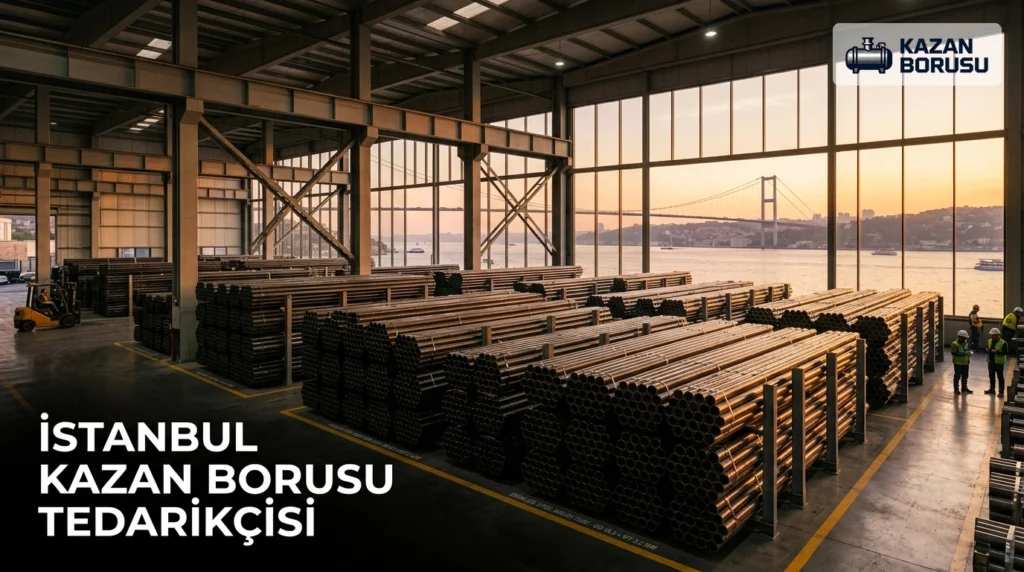
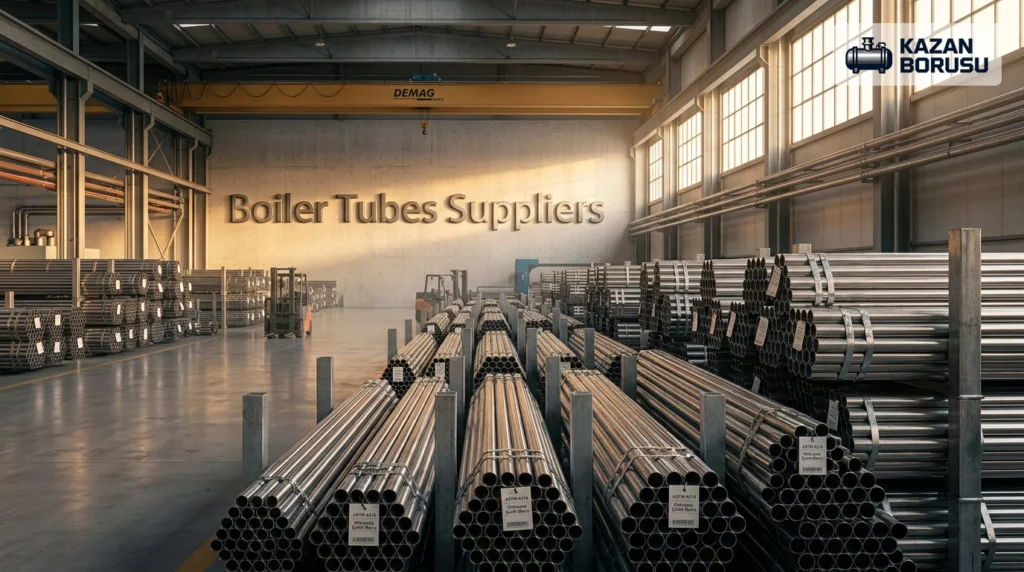
Boiler Tubes Suppliers play a vital role in the global energy and manufacturing sectors by providing the high-quality materials needed for efficient heat exchange. These suppliers specialize in sourcing and distributing seamless and welded pipes that can withstand extreme pressures and temperatures. Quality is the most important factor in this industry because a single failure can lead to significant operational downtime or safety hazards. Consequently, industrial leaders seek partners who offer certified products that meet international standards like ASTM or DIN. Our comprehensive range of boiler tubes ensures that your thermal systems operate at peak performance while maintaining maximum safety protocols. Furthermore, Boiler Tubes Suppliers provide the technical expertise necessary to select the right steel grade for specific environmental conditions.
Product Information Table
| Product Type | Material Grade | Size Range | Standard |
|---|---|---|---|
| Seamless Carbon Steel | P235GH / St35.8 | 21.3mm – 660mm | EN 10216-2 |
| Alloy Steel Tubes | 16Mo3 / 13CrMo4-5 | 31.8mm – 508mm | ASTM A335 |
| Condenser Tubes | Stainless Steel | Various | ASTM A213 |
| High-Pressure Tubes | Grade A1 / C | 10mm – 219mm | ASTM A178 / A192 |
What Is Boiler Tubes Suppliers?
Boiler Tubes Suppliers are specialized distributors and manufacturers that focus on the thermal energy market. Their primary purpose is to provide the hardware used in the construction and maintenance of steam boilers, heat exchangers, and superheaters. These products are not ordinary pipes; they are engineered to resist oxidation and scaling at high temperatures. Most suppliers offer a variety of shapes and thicknesses to accommodate different pressure ratings. Consequently, they serve as a bridge between steel mills and industrial end-users. By maintaining a steady inventory of diverse steel grades, these suppliers ensure that critical infrastructure projects can proceed without delay.
Features Of Boiler Tubes Suppliers
The core features of Boiler Tubes Suppliers involve their ability to provide certified, high-strength materials. These tubes typically feature excellent thermal conductivity, which is essential for efficient heat transfer. Moreover, the material structure is designed to be highly ductile yet strong enough to resist internal pressure. Suppliers often provide additional services such as precision cutting, beveling, and protective coating to prevent rust during transit. Another key technical advantage is the availability of seamless technology, which eliminates weak points in the piping structure. This ensures that the components can handle the mechanical stress of constant thermal expansion and contraction without cracking.
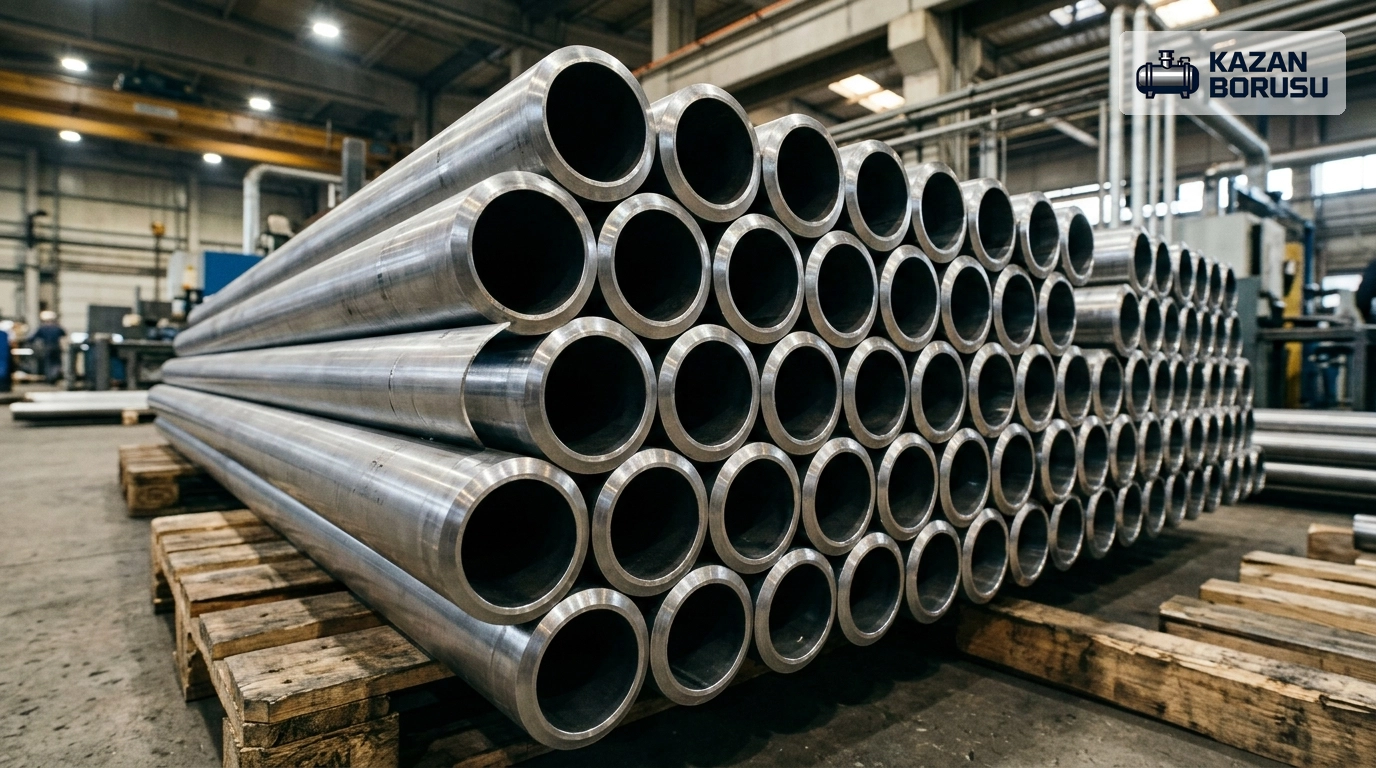
Advantages Of Boiler Tubes Suppliers
- High thermal resistance ensures that the tubes do not deform under intense heat conditions.
- Superior corrosion resistance extends the lifespan of the boiler system and reduces maintenance costs.
- A wide variety of dimensions allows for customized engineering solutions in diverse industrial setups.
- Compliance with international certifications guarantees safety and reliability for high-pressure operations.
Where Is Boiler Tubes Suppliers Used?
- Thermal power plants rely on these suppliers for the tubing used in water walls and superheaters.
- Petrochemical refineries use high-grade tubes for their processing units and heat recovery systems.
- The sugar and paper industries utilize boiler tubes for their internal heating and evaporation processes.
- Marine engineering sectors incorporate these products into ship engines and on-board heating units.
How Does Boiler Tubes Suppliers Work?
The operational protocol of Boiler Tubes Suppliers begins with rigorous quality assessment and material sourcing. Once the raw steel tubes are manufactured, suppliers perform various non-destructive tests, such as ultrasonic or hydrostatic testing, to ensure structural integrity. When a client places an order, the supplier selects the material that matches the required pressure and temperature specifications. The tubes are then cut to size and prepared for shipping with specialized packaging to prevent surface damage. In industrial applications, these tubes are welded into the boiler shell or tube sheet, where they facilitate the transfer of heat from combustion gases to the water or steam circulating inside.
Why Choose Us?
Choosing the right partner is essential for the success of your industrial projects. Kazan Borusu stands out in the market by offering premium quality products and unmatched technical support. We understand that every project has unique requirements, which is why we offer a tailored approach to every order. Our commitment to excellence ensures that you receive materials that are not only durable but also fully compliant with global safety standards. We prioritize fast delivery and transparent communication to keep your operations running smoothly. Our long-standing history as one of the most reliable industrial boilers component providers makes us the preferred choice for companies worldwide. Consequently, working with us means investing in the longevity and safety of your infrastructure.
Get A Quote Now
Are you looking for high-quality solutions for your next thermal project? Our team of experts is ready to provide you with the most efficient and cost-effective piping options available. We offer competitive lead times and comprehensive documentation for all our products. Contact us today to discuss your specific needs and receive a detailed proposal tailored to your technical requirements. Let us help you optimize your heat transfer systems with the best materials in the industry. Efficiency and reliability are just a click away.
Frequently Asked Questions
What Materials Are Commonly Used By Boiler Tubes Suppliers?
Most suppliers provide carbon steel, alloy steel, and stainless steel tubes. The specific choice depends on the operating temperature and pressure of the boiler system.
How Do I Know If A Boiler Tube Is High Quality?
High-quality tubes must come with mill test certificates (MTC) and comply with international standards such as ASTM, ASME, or EN. These documents prove the material’s chemical and mechanical properties.
What Is The Difference Between Seamless And Welded Boiler Tubes?
Seamless tubes are made from a solid billet and have no seams, making them ideal for high-pressure environments. Welded tubes are made from a flat strip and are often used in lower-pressure applications.
How Often Should Boiler Tubes Be Replaced?
The replacement cycle depends on the operating environment and maintenance. However, high-quality tubes from reputable suppliers can last for decades if the water chemistry and thermal stress are managed correctly.